Service overview
Practical ranch, livestock & property fencing solutions
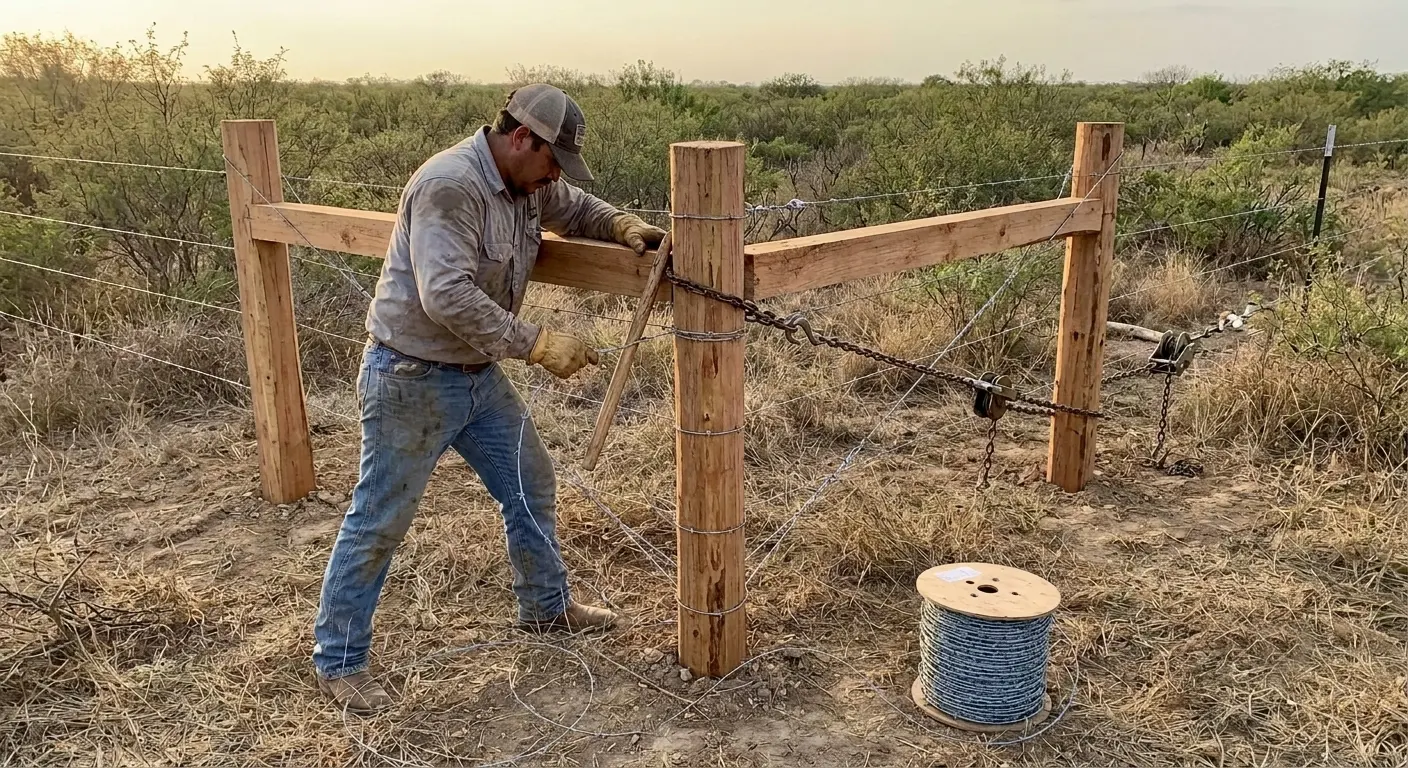
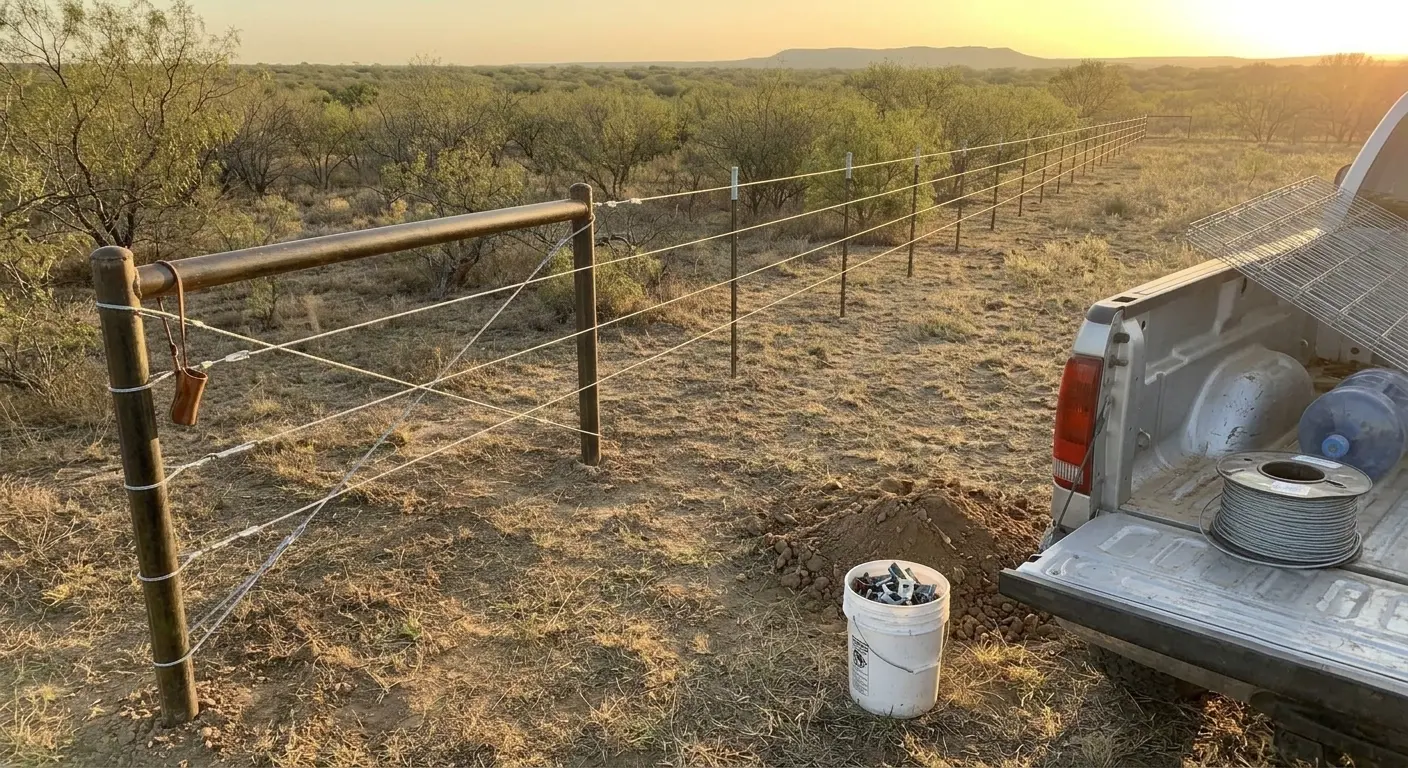
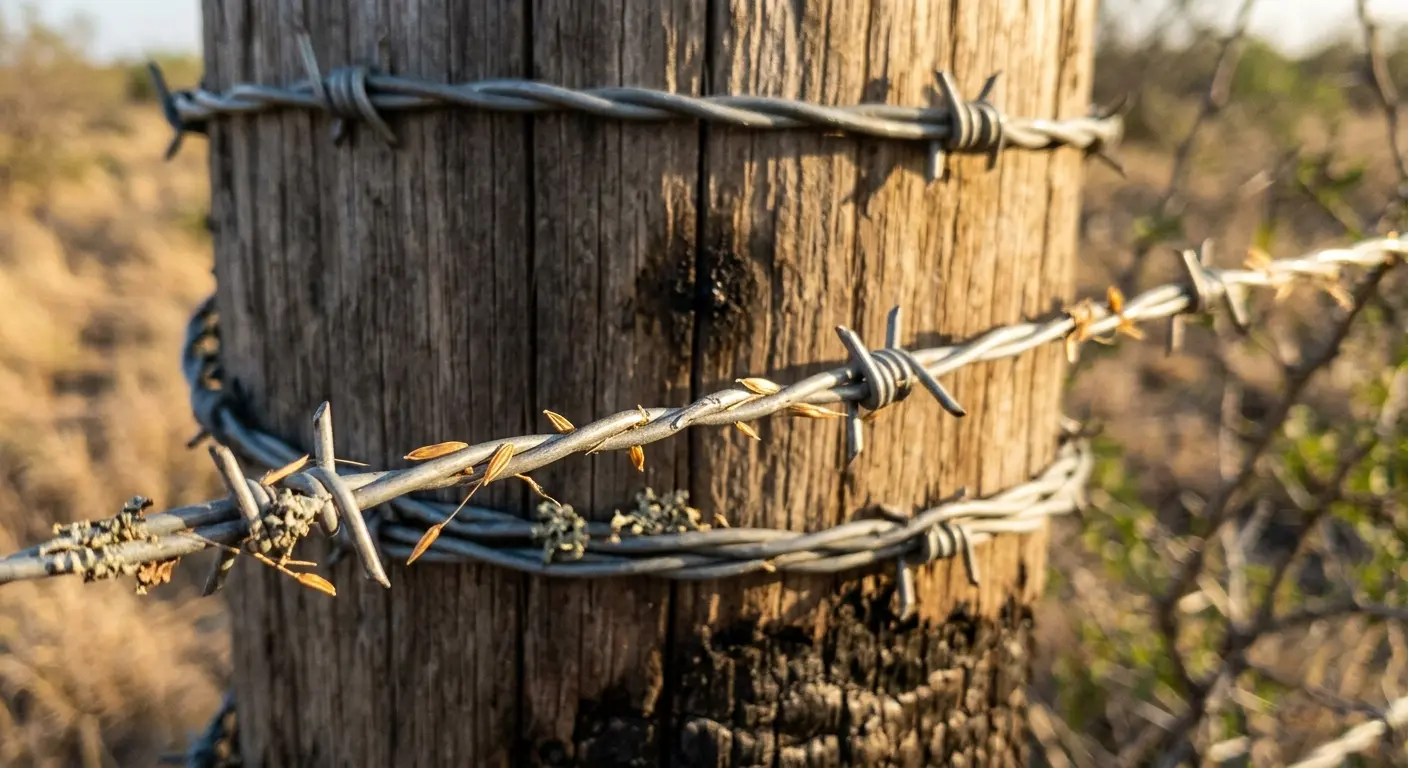
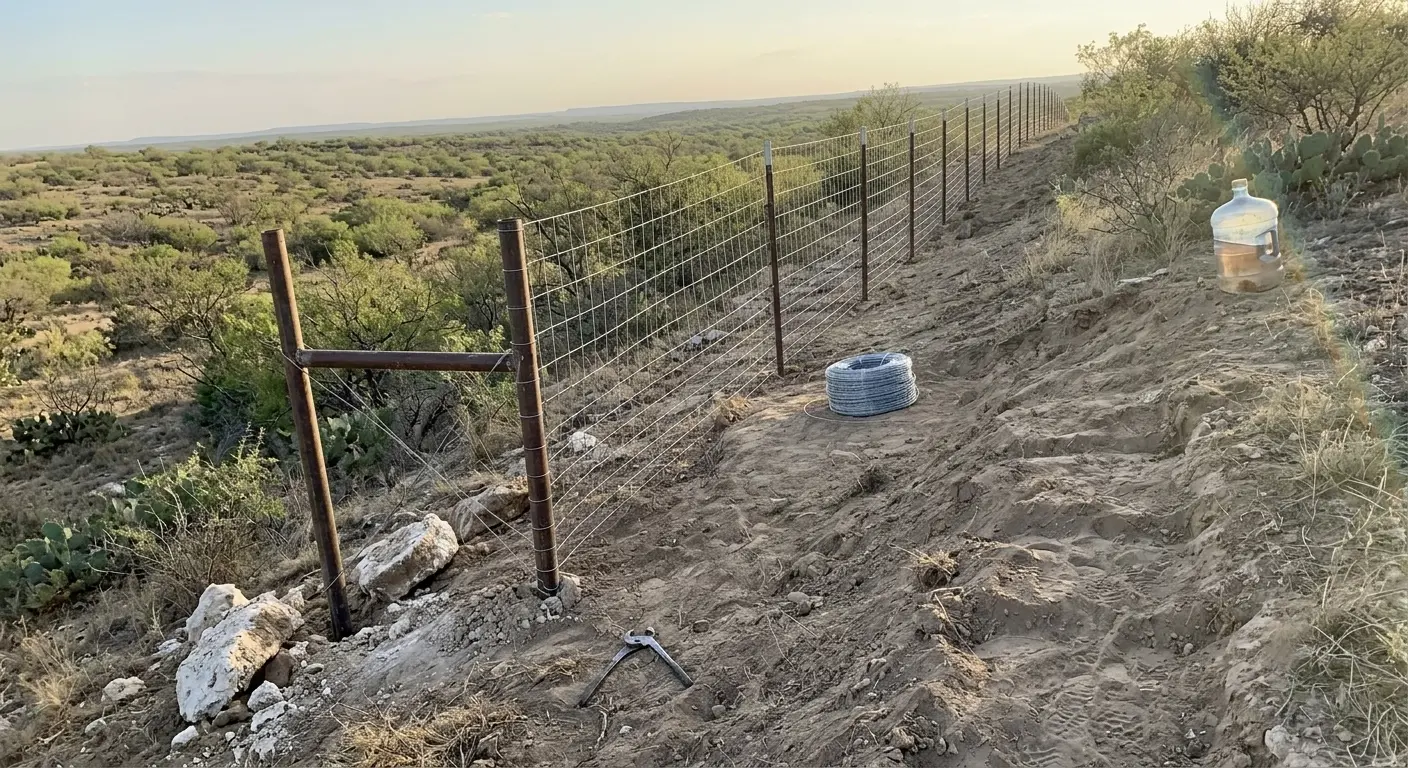
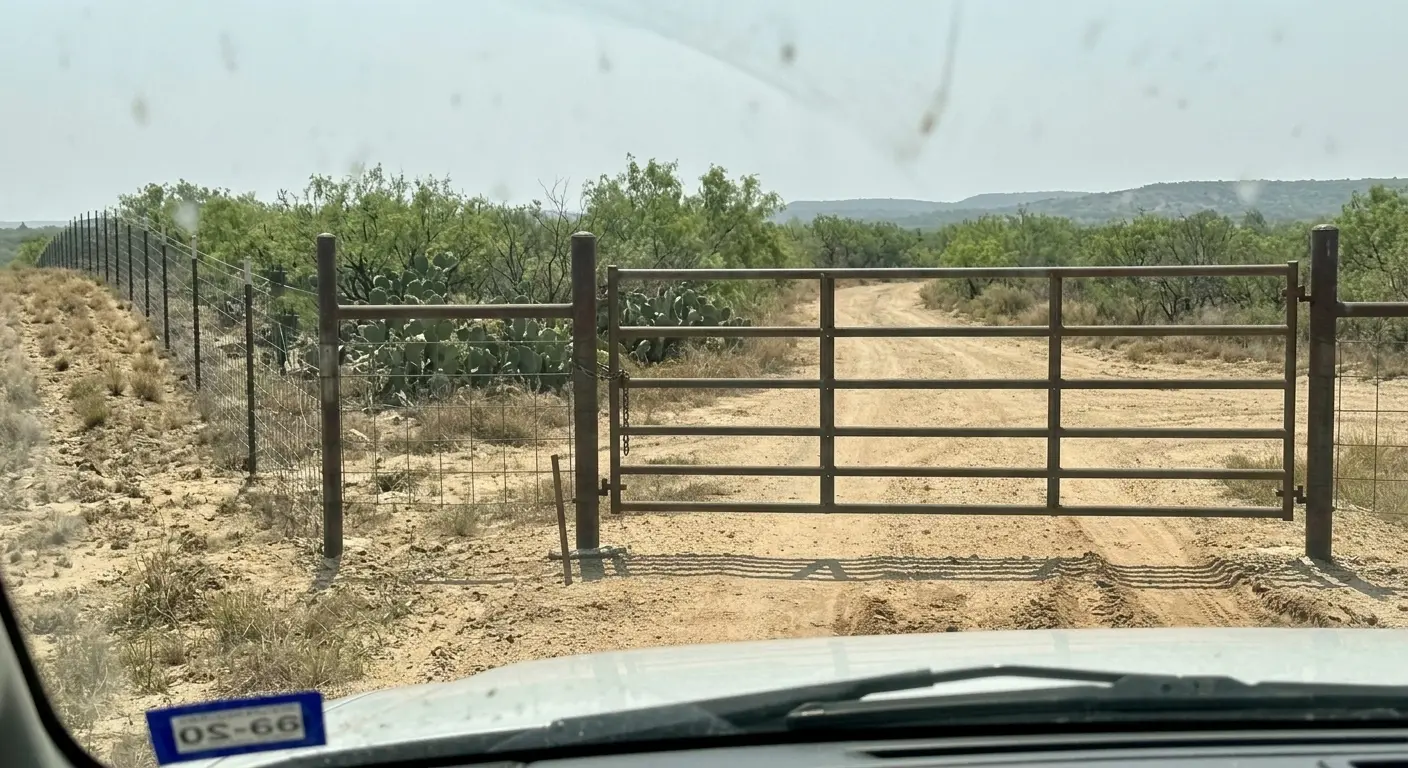
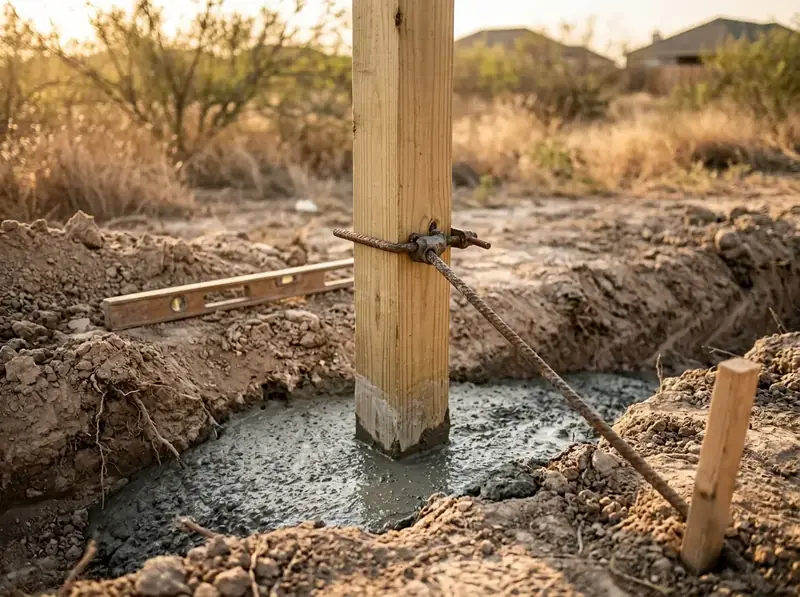
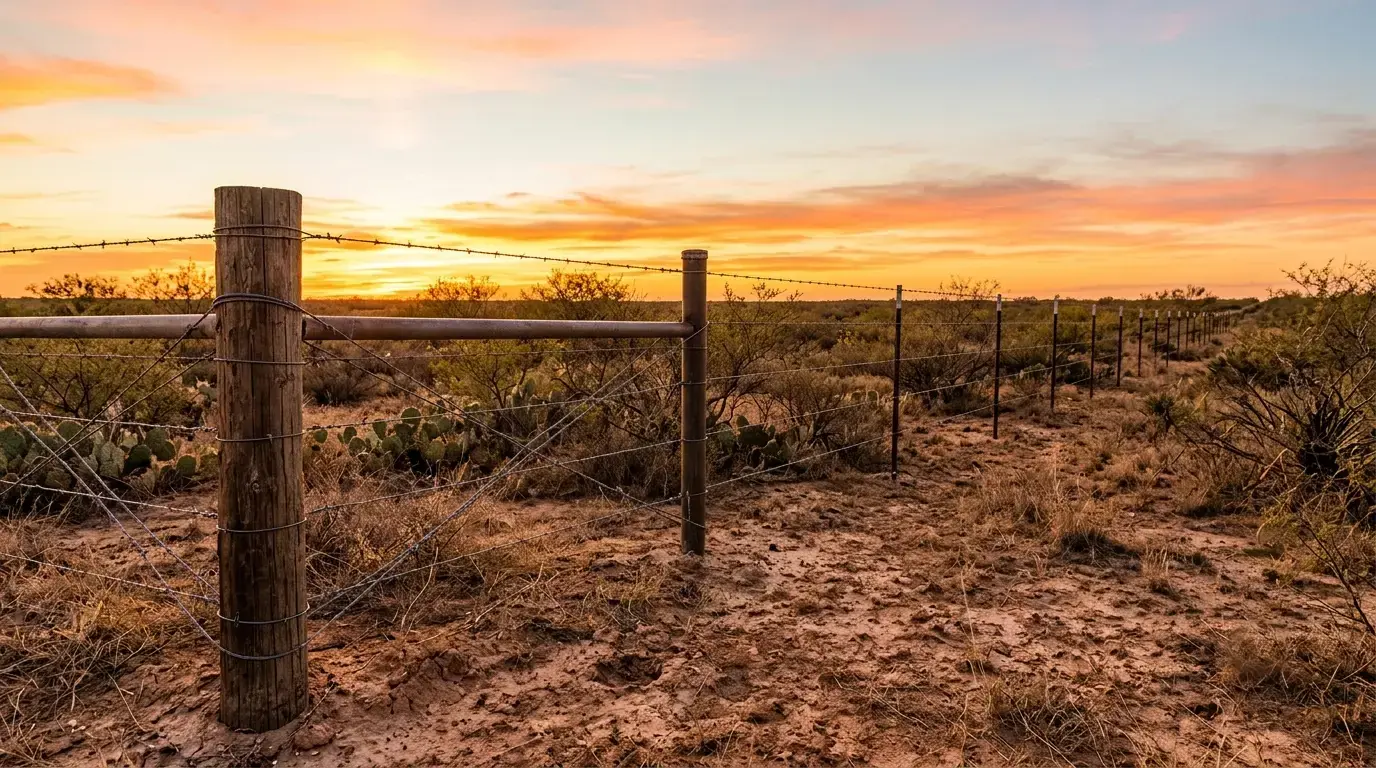
Beyond the city limits, ranch fencing is its own world: barbed wire, smooth wire, field fence (woven wire with graduated openings), and pipe-and-cable systems for larger property lines. Laredo sits in Webb County and brush country, where most ranch work is keeping livestock in, predators out, and brush from creeping into improved pasture. We install standard 4-strand barbed wire, 5-strand barbed wire, field fence (most commonly 4x4 woven wire for sheep and goats; 39-inch or 47-inch for cattle), pipe corrals, and game fence (8-foot or taller, predator-grade). T-posts, wood posts, and pipe posts are all options depending on your soil and your budget.
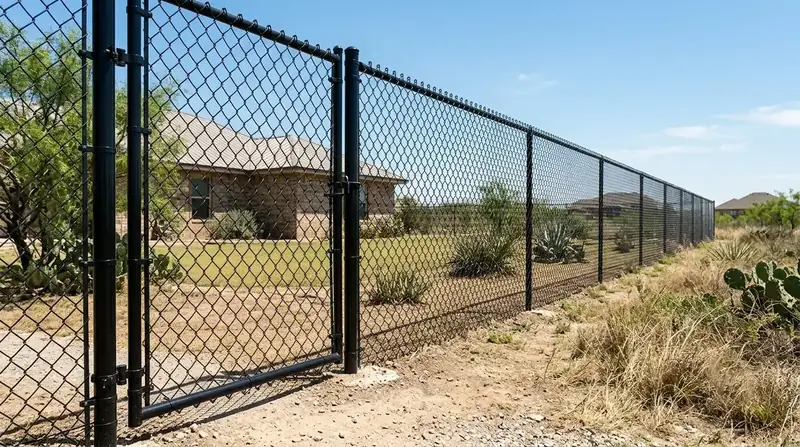
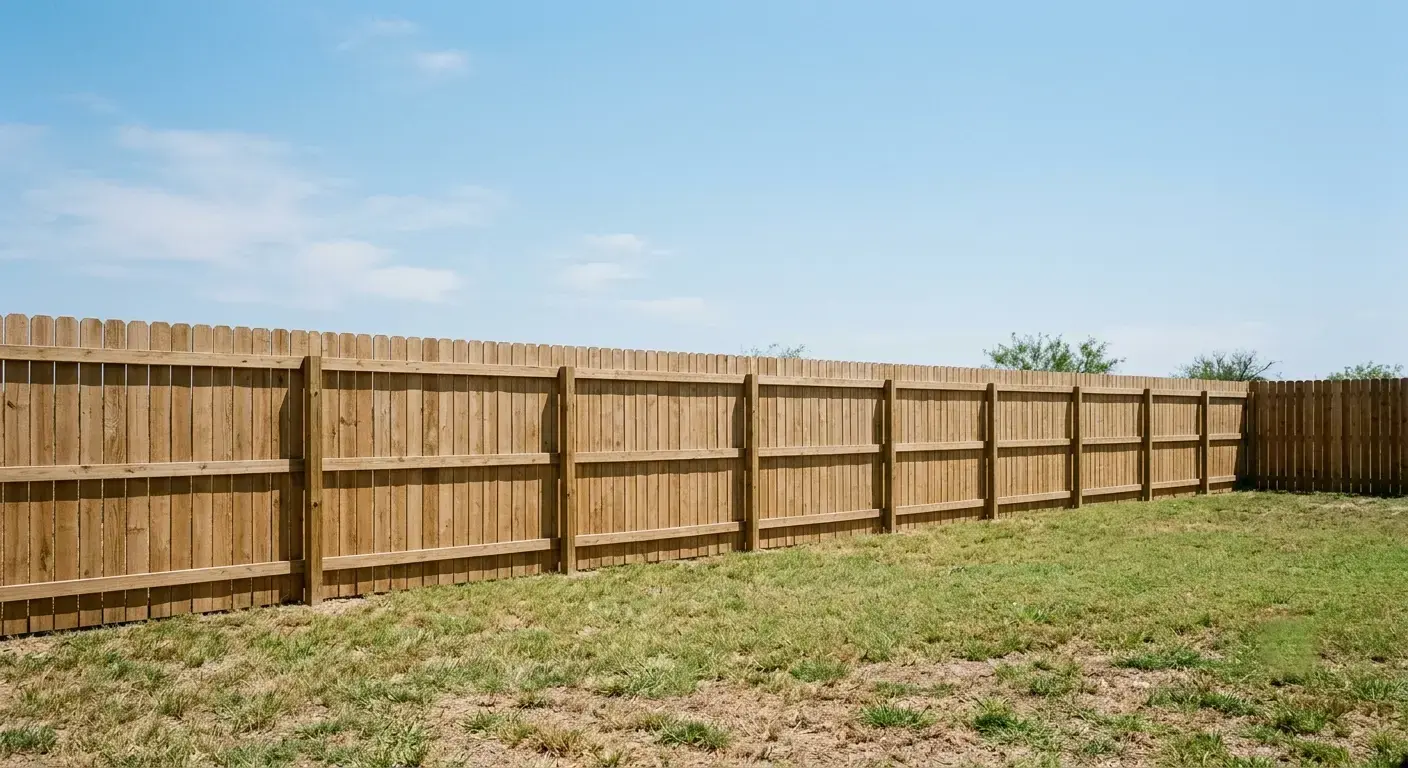
Properties in Laredo, Texas can have different needs based on age, design, exposure, maintenance history, and how the space is used. A useful recommendation starts with understanding those details instead of assuming the same answer fits every property.
When you contact Laredo Fence Pros, describe what you have observed and what outcome matters most. We will help you understand whether ranch, livestock & property fencing is the appropriate next step and what information is needed to plan the work.
What a professional assessment should cover
A careful assessment considers the visible concern, related systems or materials, access, safety, and the conditions that may have contributed to the problem. You should receive a clear explanation of the proposed work and any choices that affect timing, scope, or cost.
Our goal is to make that conversation useful. We explain what we find in plain language, identify priorities, and set realistic expectations. Before authorizing work, ask questions until you understand the recommendation and what completion will look like.
Planning your service
Before the appointment, gather any relevant history, photographs, previous reports, or product information. Let us know about access restrictions, pets, tenants, parking, business hours, or time-sensitive concerns. Those details make scheduling smoother and help the visit stay focused.
After the work, keep any documentation and follow the care or maintenance guidance provided. If conditions change or you have a question, contact the team promptly. Good follow-through protects the work and helps small concerns get addressed before they become larger ones.