Service overview
Practical chain-link fence solutions
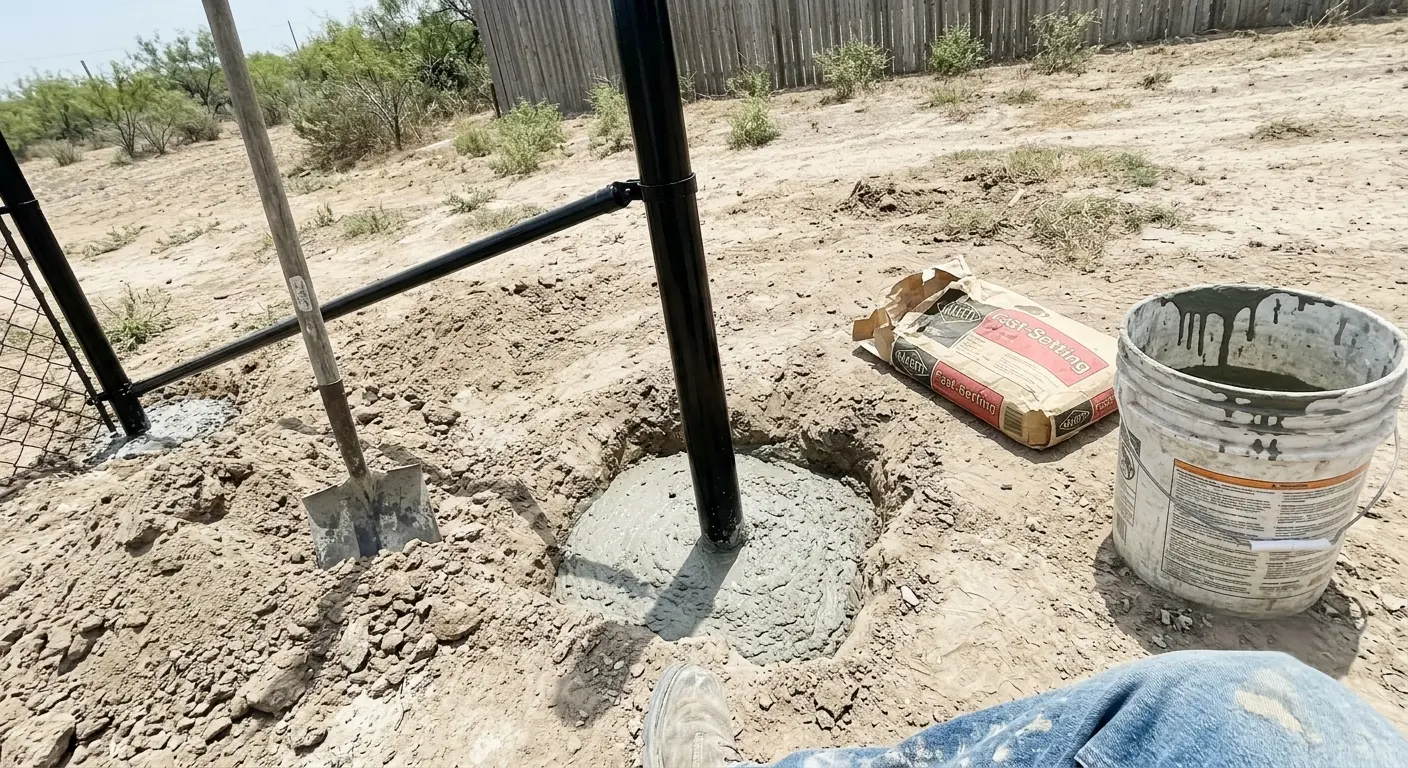
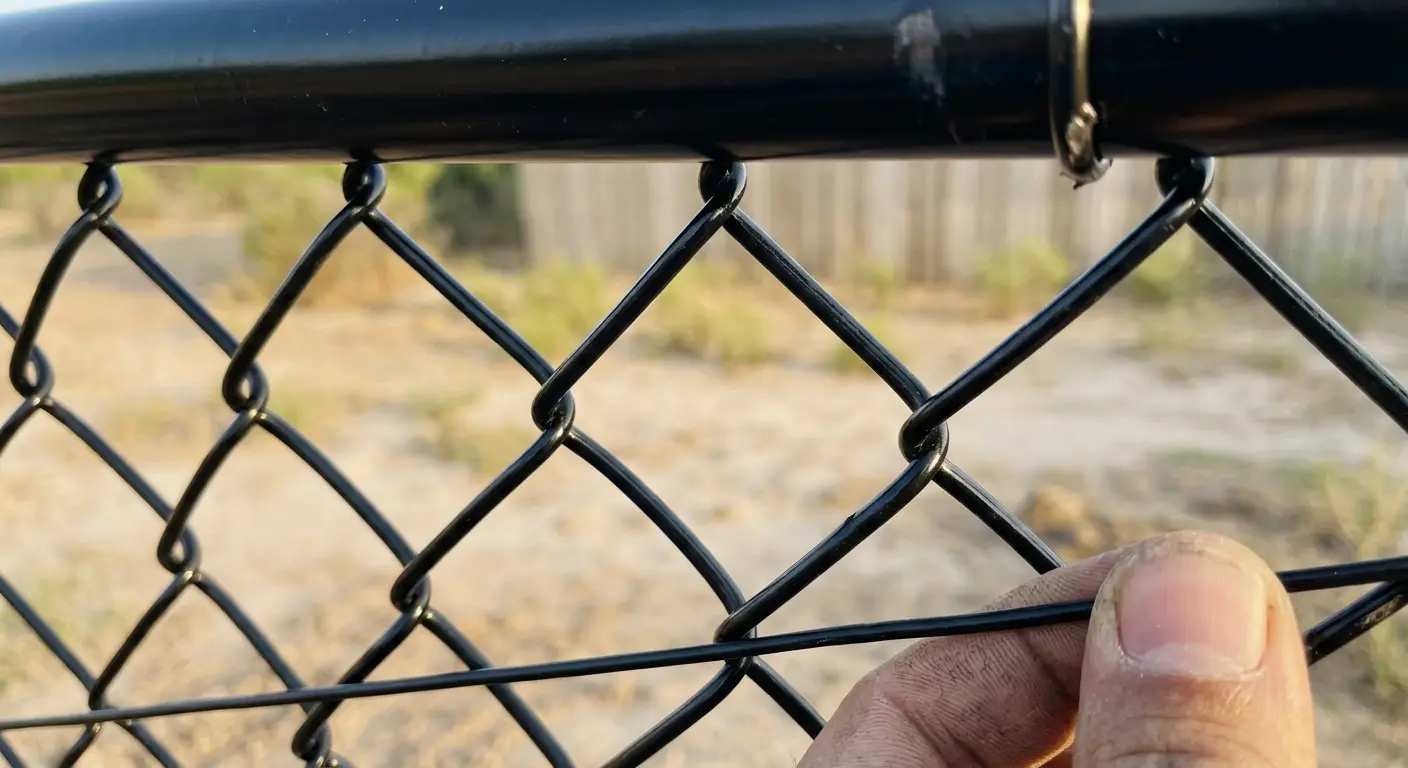
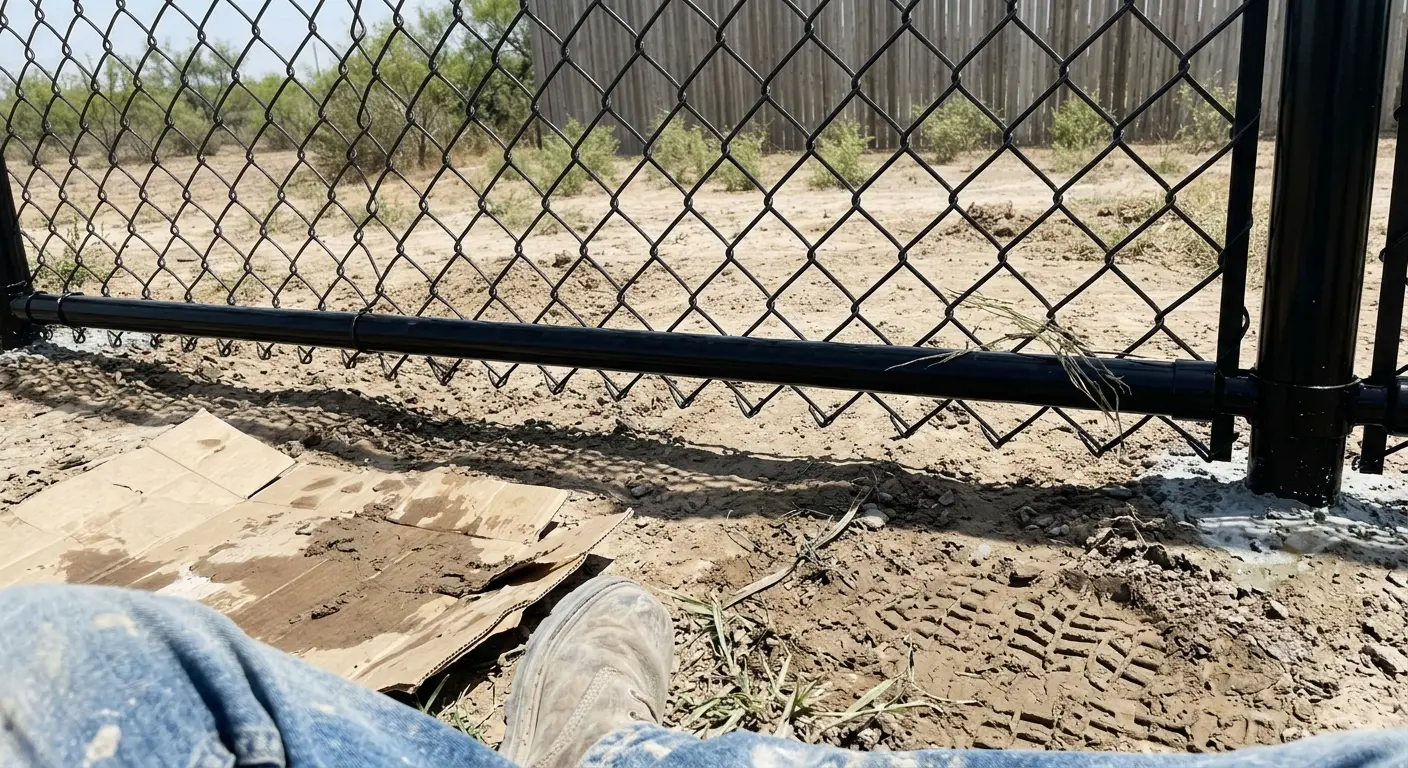
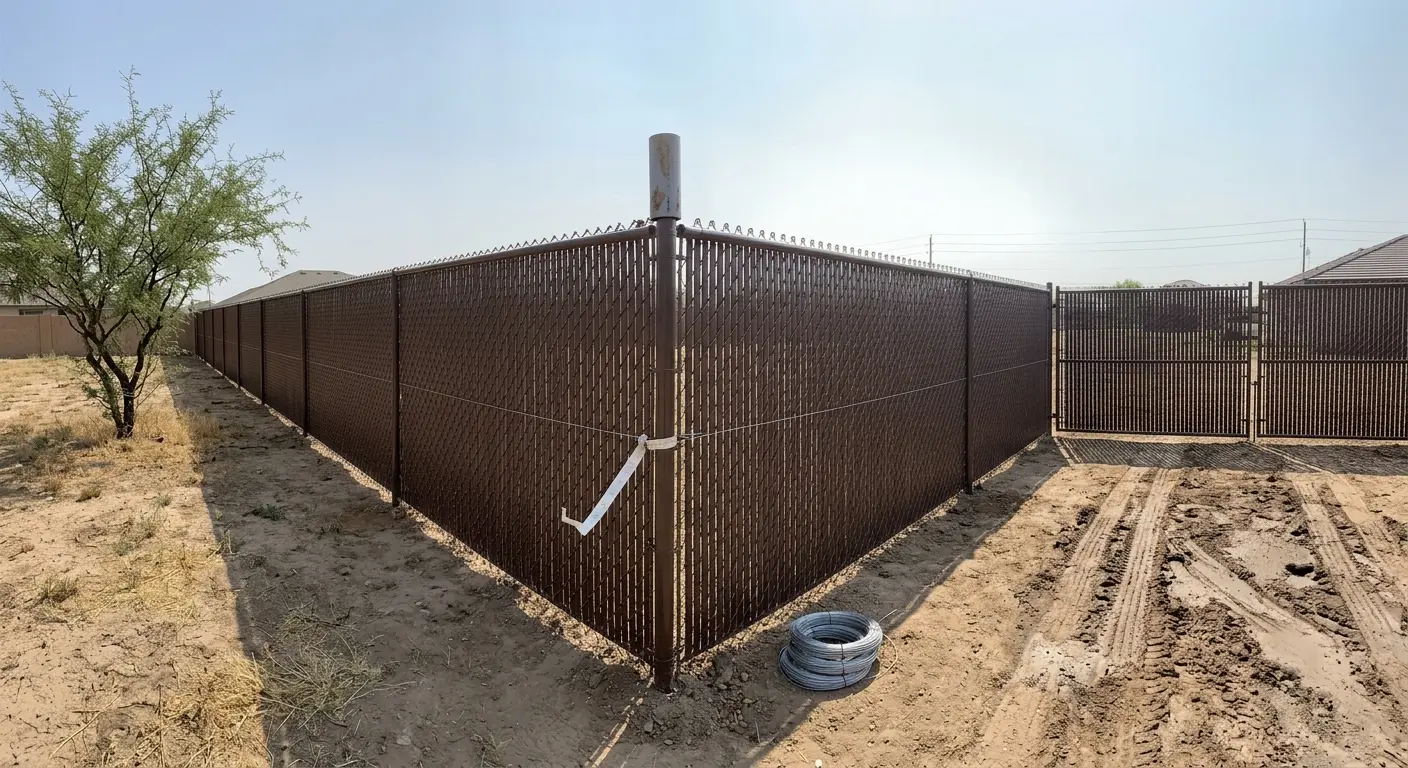
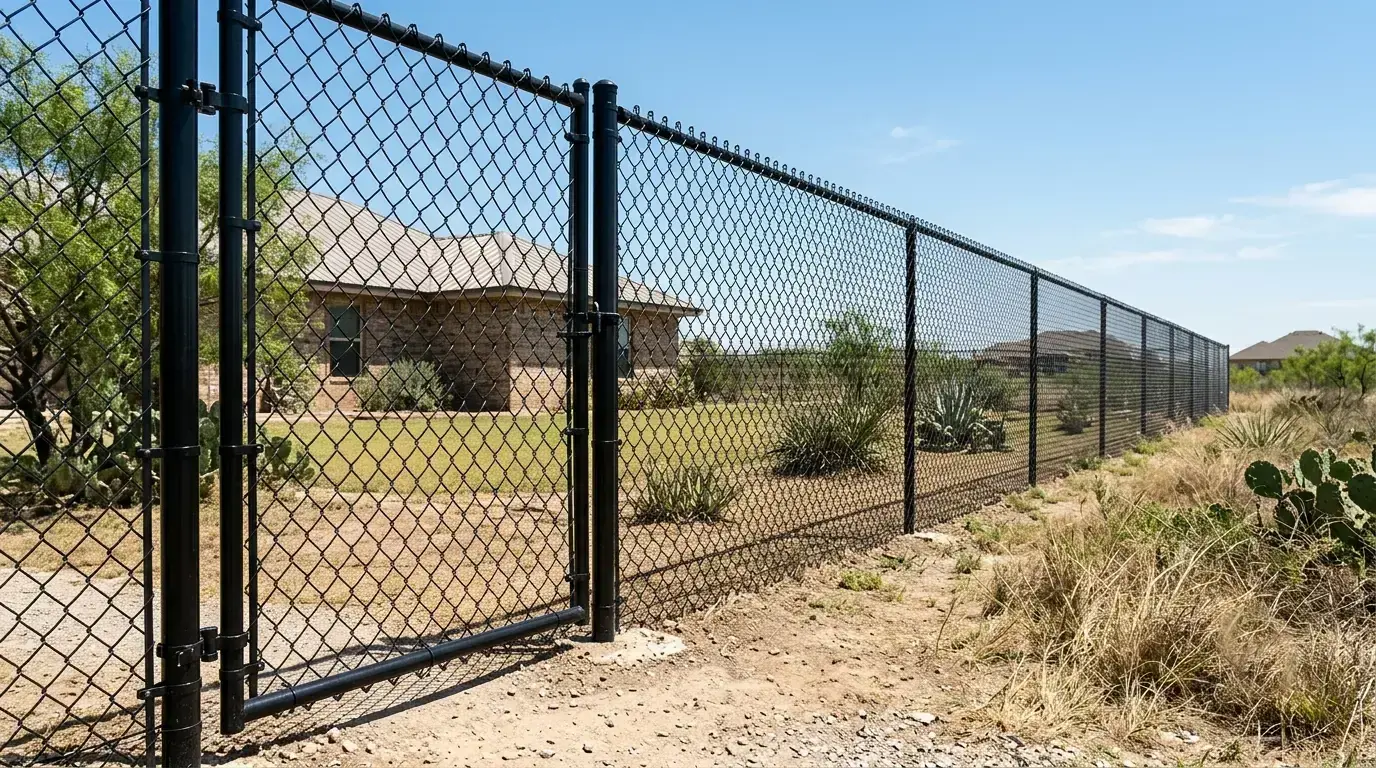
Chain-link is the workhorse fence: inexpensive, fast to install, and the right answer for many Laredo properties that need a contained boundary without blocking views or airflow. Galvanized chain-link is standard; vinyl-coated (typically black or green) is the upgrade choice when appearance matters — most residential installs in established neighborhoods have moved to vinyl-coated over the last ten years. We install residential, commercial-gauge, and heavy-spec chain-link; for dog kennels and runs, we set the bottom rail 1 to 2 inches above grade and use a tighter mesh at the base to keep small dogs in and snakes out.
Properties in Laredo, Texas can have different needs based on age, design, exposure, maintenance history, and how the space is used. A useful recommendation starts with understanding those details instead of assuming the same answer fits every property.
When you contact Laredo Fence Pros, describe what you have observed and what outcome matters most. We will help you understand whether chain-link fence is the appropriate next step and what information is needed to plan the work.
What a professional assessment should cover
A careful assessment considers the visible concern, related systems or materials, access, safety, and the conditions that may have contributed to the problem. You should receive a clear explanation of the proposed work and any choices that affect timing, scope, or cost.
Our goal is to make that conversation useful. We explain what we find in plain language, identify priorities, and set realistic expectations. Before authorizing work, ask questions until you understand the recommendation and what completion will look like.
Planning your service
Before the appointment, gather any relevant history, photographs, previous reports, or product information. Let us know about access restrictions, pets, tenants, parking, business hours, or time-sensitive concerns. Those details make scheduling smoother and help the visit stay focused.
After the work, keep any documentation and follow the care or maintenance guidance provided. If conditions change or you have a question, contact the team promptly. Good follow-through protects the work and helps small concerns get addressed before they become larger ones.